Inaugural Cross-Sector Symposium
The challenges facing America's critical infrastructure are evolving faster than any single organization, sector, or government agency can address alone. Technological innovation is outpacing security standards; supply chains are strained under shifting geopolitical tensions; state and federal policies are in a state of constant change; natural disasters are increasingly extreme and unpredictable; nation-state actors, homegrown extremists, and non-state actors continuously probe physical and cyber systems; and operating environments are increasingly complex. This evolving risk landscape demands a new approach to collaboration.
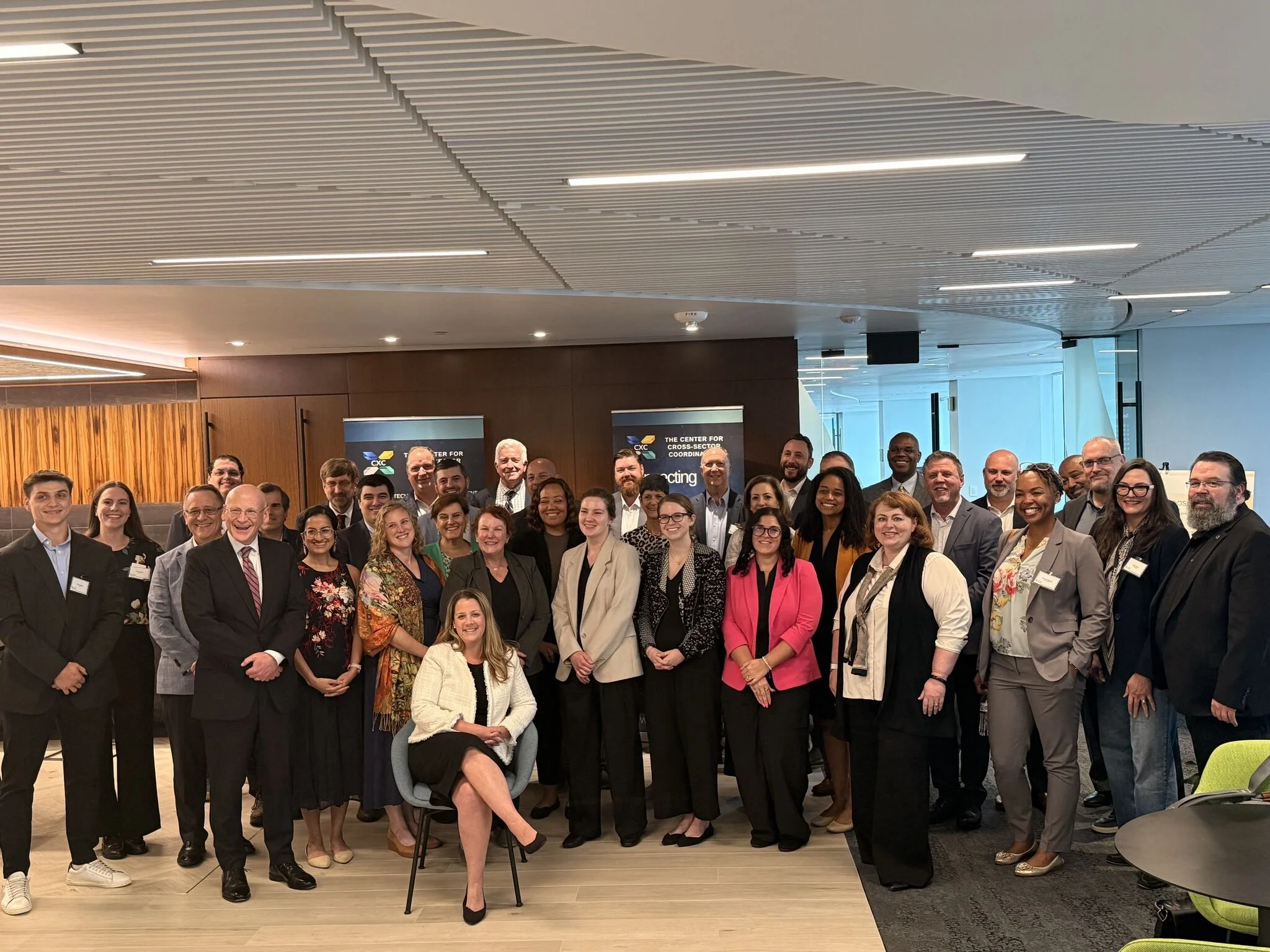
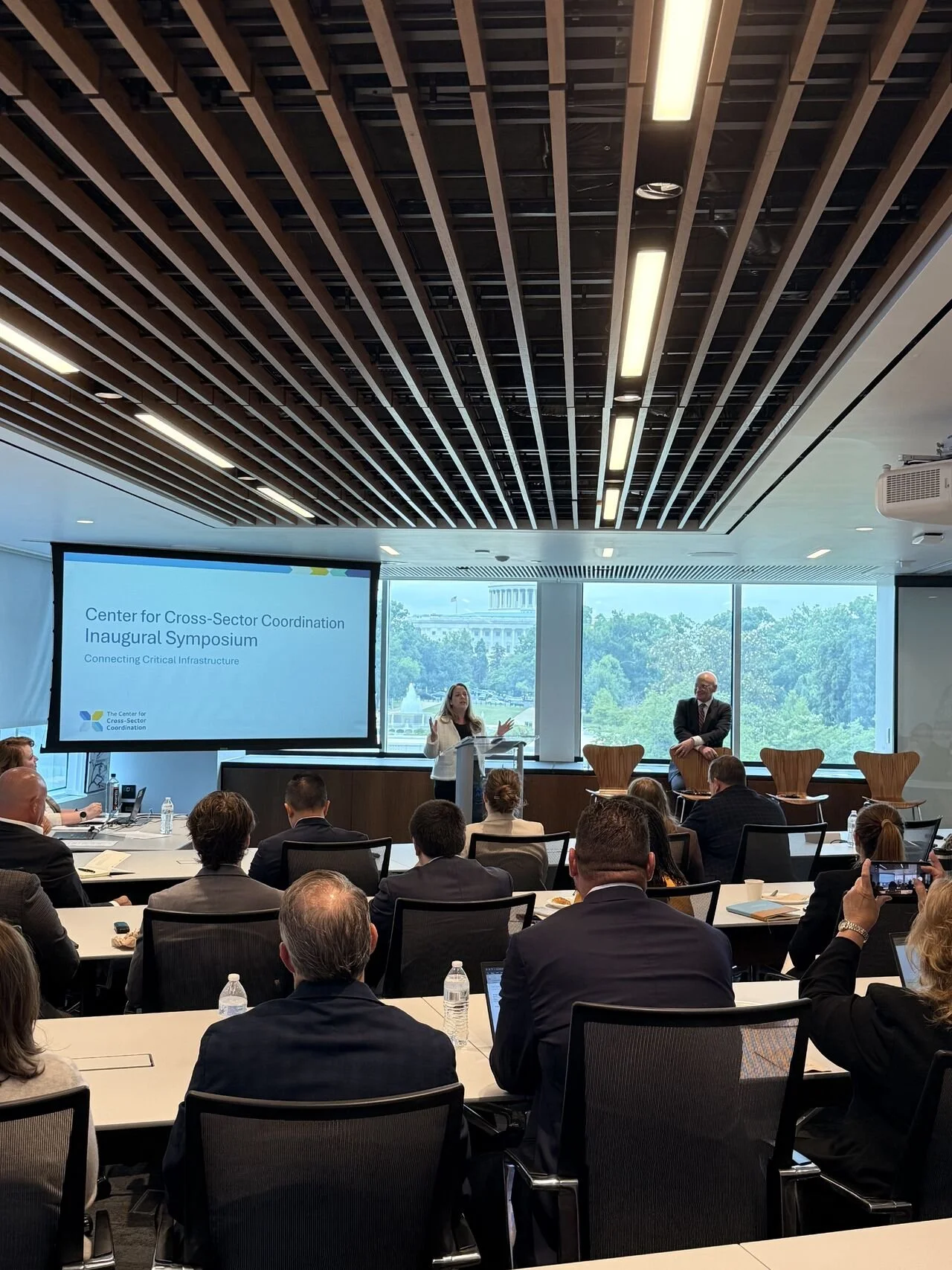
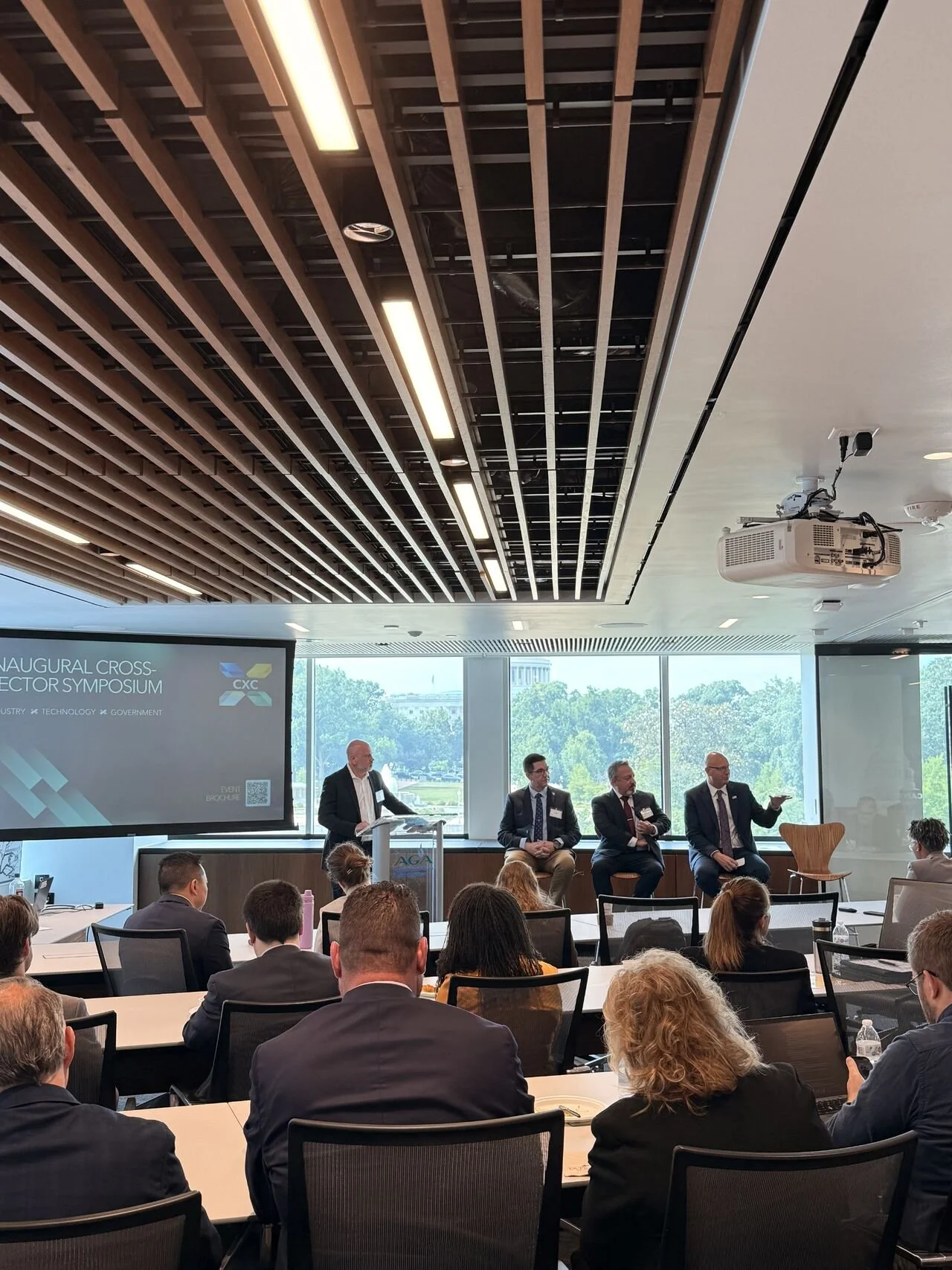
Recognizing this need, CXC convened its inaugural Cross-Sector Symposium on June 18, 2026, bringing together more than 170 leaders representing 16 critical infrastructure sectors, including industry owners and operators, industry associations, technology providers, academic institutions, security and resilience practitioners, and government partners such as DHS CISA, FBI, NIST, State Department, TSA, USCG, DHS S&T, DC HSEMA, and State Homeland Security Divisions. Rather than focusing on individual sectors or isolated risks, the Symposium was designed to examine the challenges that cut across the nation's infrastructure ecosystem and to identify practical opportunities for greater collaboration.
The conversations centered on four issues repeatedly identified by stakeholders as defining challenges for the future of infrastructure security and resilience: artificial intelligence, supply chain security, emergency response and cross-sector interdependencies, and countering unmanned aircraft systems (UAS). While each topic presented distinct operational and policy considerations, a common theme emerged throughout the day: critical infrastructure resilience is increasingly determined by the strength of relationships, the quality of coordination, and the ability to understand dependencies that extend well beyond organizational and sector boundaries.
Several conclusions consistently surfaced across every panel discussion.
First, trusted relationships are themselves an operational capability. Whether responding to cyber incidents, supply chain disruptions, or natural disasters, or updating security protocols to address emerging technologies or threats, organizations consistently emphasized that effective collaboration cannot begin during a crisis. It must be established beforehand through sustained engagement, information sharing, and coordinated planning.
Second, understanding cross-sector dependencies has become foundational to resilience. Organizations have made significant progress strengthening their own operations, but many continue to face challenges identifying the external systems, suppliers, technologies, and infrastructure upon which they depend and ensuring security within the seams of the supply chain. Participants repeatedly noted that the most significant operational risks increasingly emerge between organizations rather than within them.
Third, emerging technologies are reshaping both opportunity and risk. Artificial intelligence offers transformative capabilities for infrastructure while simultaneously introducing new governance, security, and operational challenges. Likewise, unmanned aircraft systems continue to create both valuable operational applications and evolving security concerns. Across these discussions, participants agreed that governance, security, and resilience planning must evolve alongside technology adoption rather than follow it.
Finally, the Symposium reinforced that public-private partnership remains the cornerstone of national resilience. Participants expressed broad support for stronger operational collaboration across government, industry, academia, and technology providers, while emphasizing that effective partnership must extend beyond information sharing to include joint planning, practical guidance, collaborative problem-solving, and enduring professional networks.
These discussions also revealed important differences in organizational priorities and levels of maturity. Participants represented organizations ranging from those strengthening foundational resilience capabilities to those actively integrating advanced technologies and planning for future threats. Rather than highlighting disagreement, these differing perspectives underscored the need for practical guidance that is flexible, operationally focused, and adaptable across sectors.
Most importantly, the Symposium demonstrated the unique role that CXC can play in strengthening the nation's infrastructure ecosystem. Throughout the discussions, participants consistently identified opportunities for CXC to serve as a trusted convener, bringing together diverse communities to address challenges that no single sector, agency, or organization can solve independently. Participants encouraged CXC to translate complex policy and technical issues into practical resources, establish cross-sector working groups, facilitate operational collaboration, and develop actionable tools that improve security and resilience across the critical infrastructure community.
This report summarizes the major themes, observations, and opportunities that emerged during the Symposium and the next steps for CXC. It is intended not as the conclusion of a conversation, but as the beginning of an ongoing effort to strengthen collaboration across the nation's critical infrastructure sectors. The findings contained in this report directly inform CXC's priorities this year, including the establishment of focused working groups, development of practical guidance and resources, future research and policy initiatives, webinars, regional engagements, and more.
If you are interested in learning more and getting involved with CXC, Apply to Join CXC — The Center for Cross-Sector Coordination or stay in touch by signing up for our newsletter here. The Center for Cross-Sector Coordination exists to connect the people, organizations, and ideas that strengthen critical infrastructure security and resilience. We invite infrastructure owners and operators, government partners, industry associations, technology providers, researchers, and security and resilience practitioners to become part of this growing national network and help us make a difference in national security.
Executive Summary
The 2026 Cross-Sector Symposium brought together leaders from government, industry, and academia to examine today's most pressing critical infrastructure security and resilience challenges.
The Executive Summary below provides an overview of the key findings and insights from the 2026 Cross-Sector Symposium.
The full Cross-Sector Symposium Report includes:
Expert insights from each panel
Moderators' perspectives and observations
Key takeaways and areas of consensus
CXC's next steps for advancing cross-sector collaboration
The full report is available exclusively to CXC members. Click here to access the full report!
Image Gallery
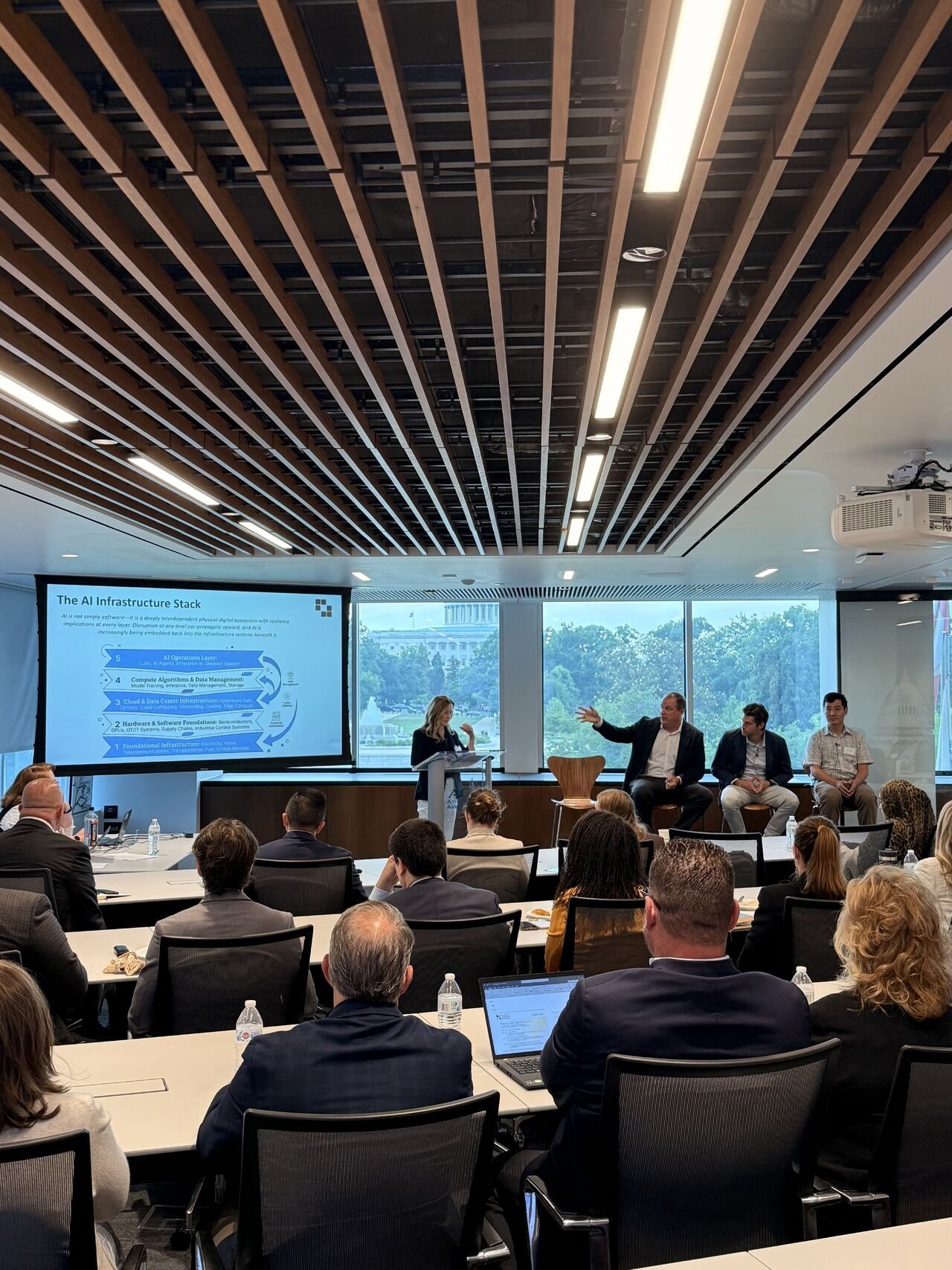
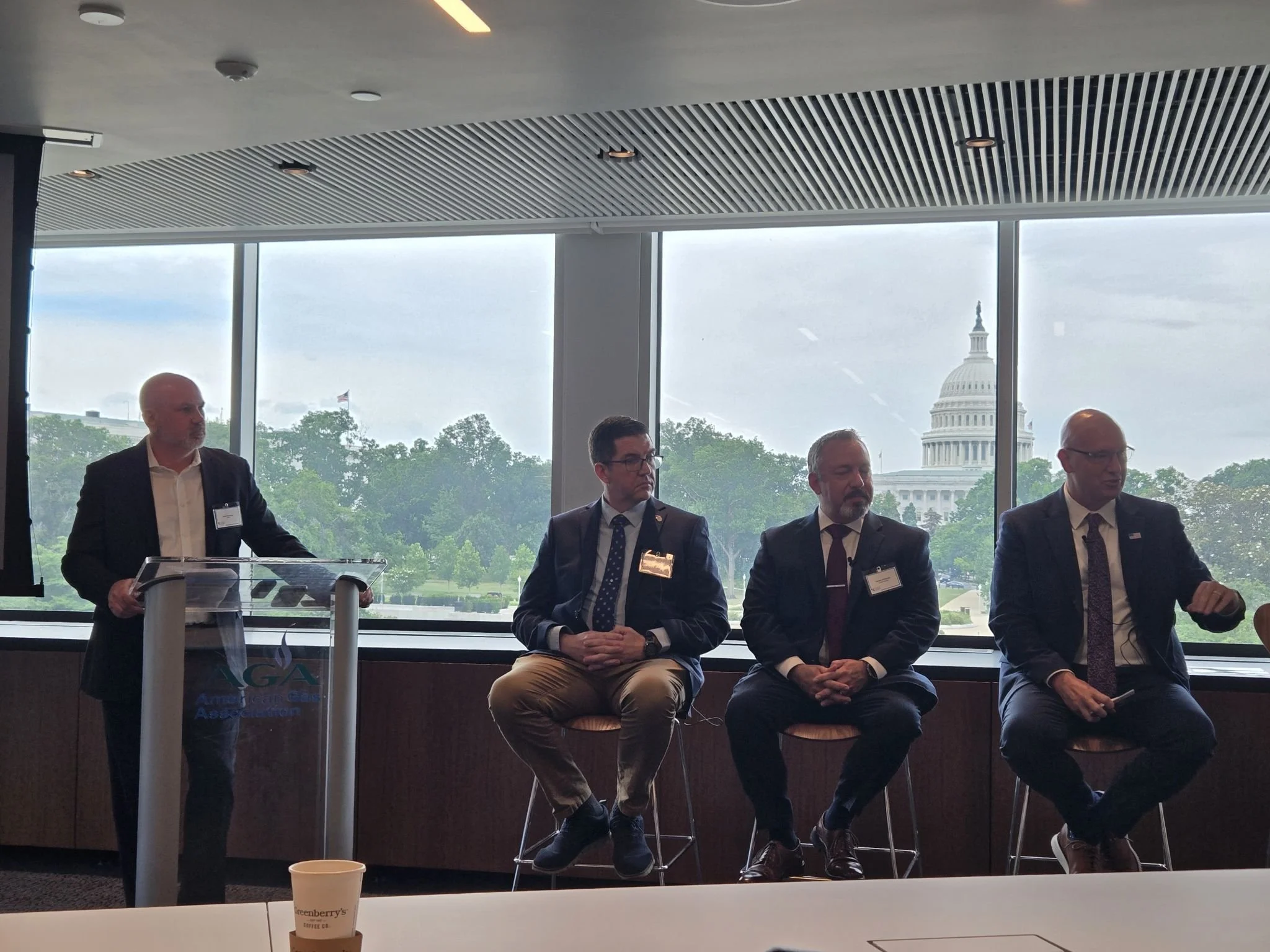
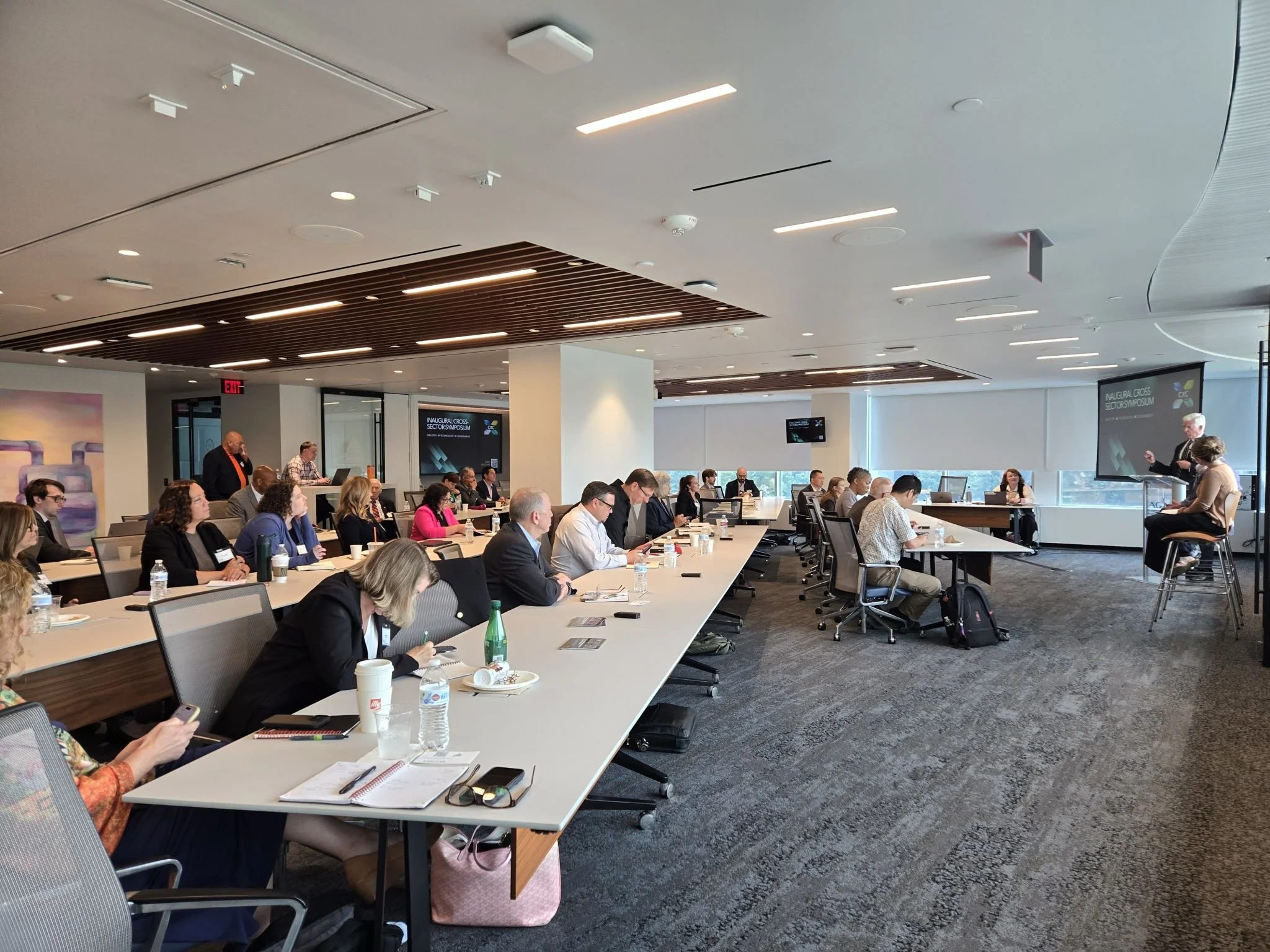
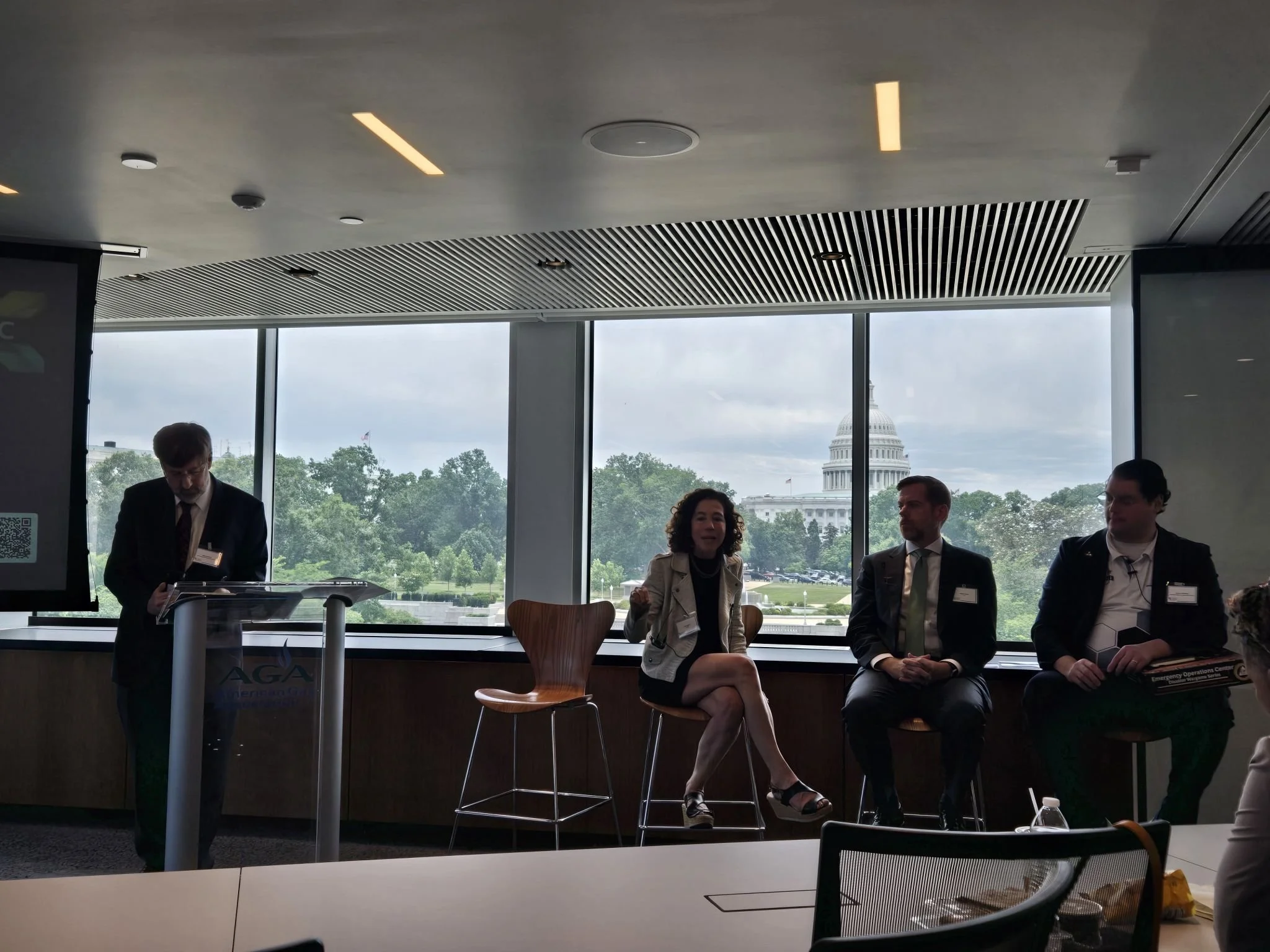

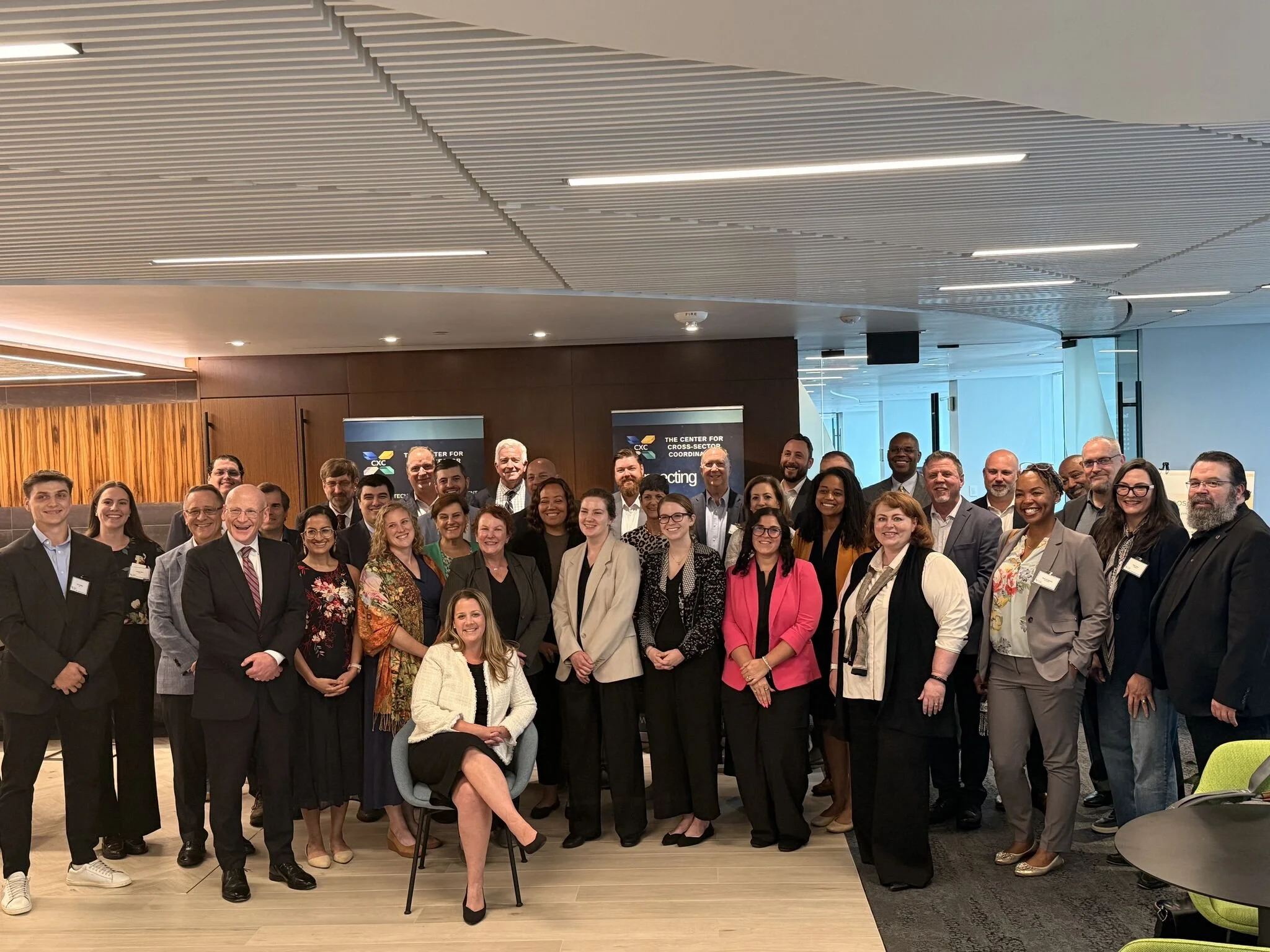
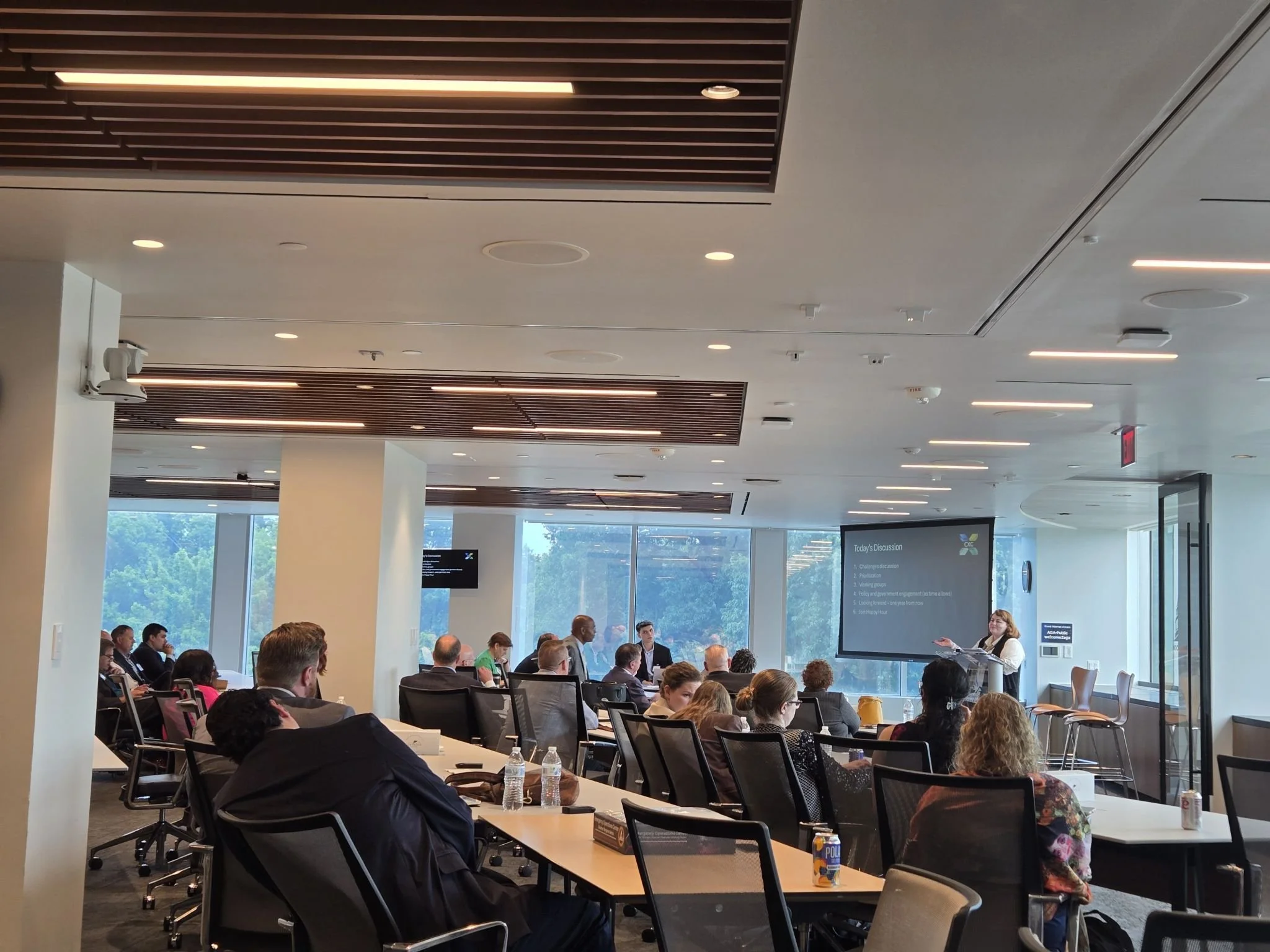
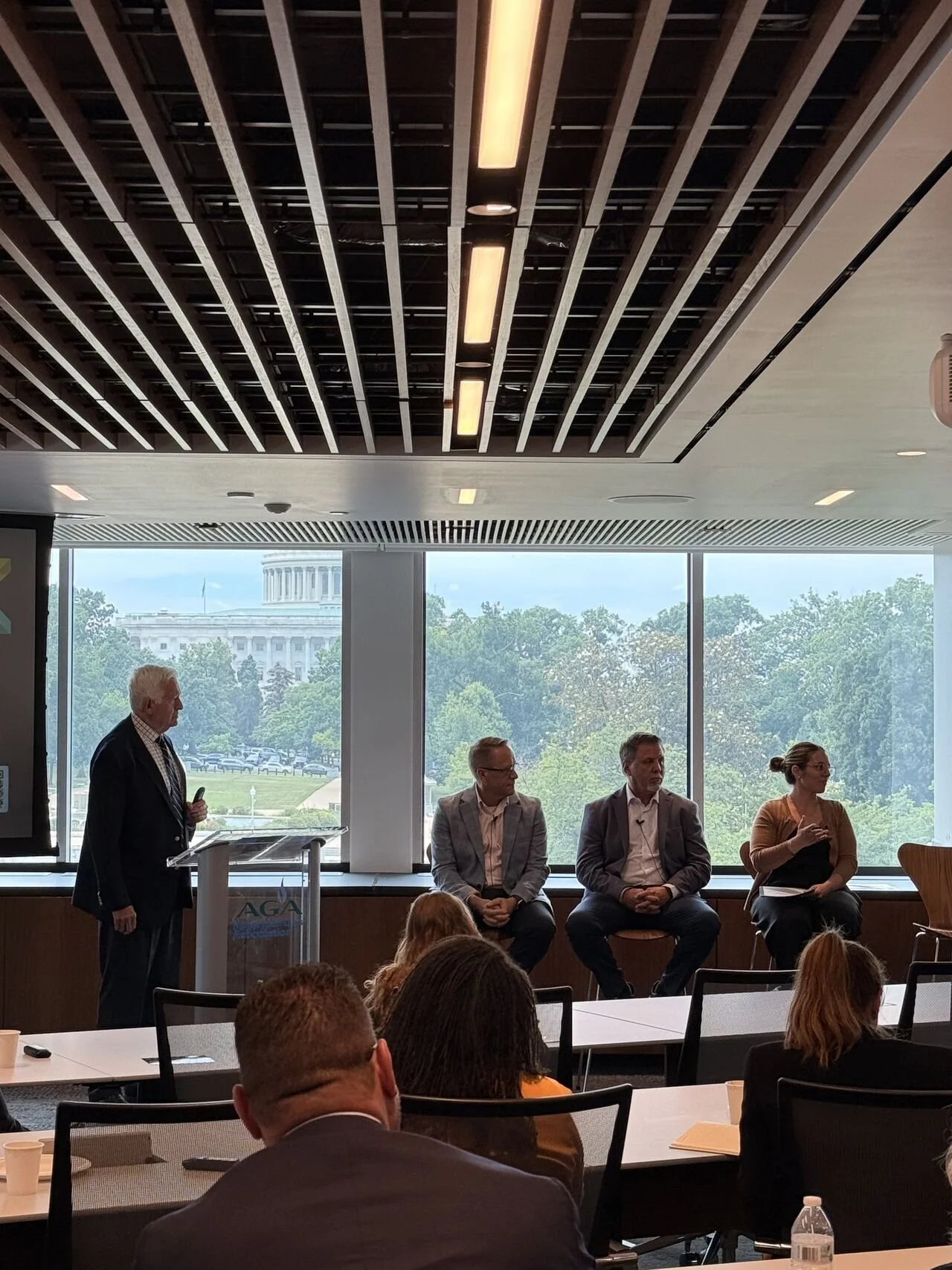

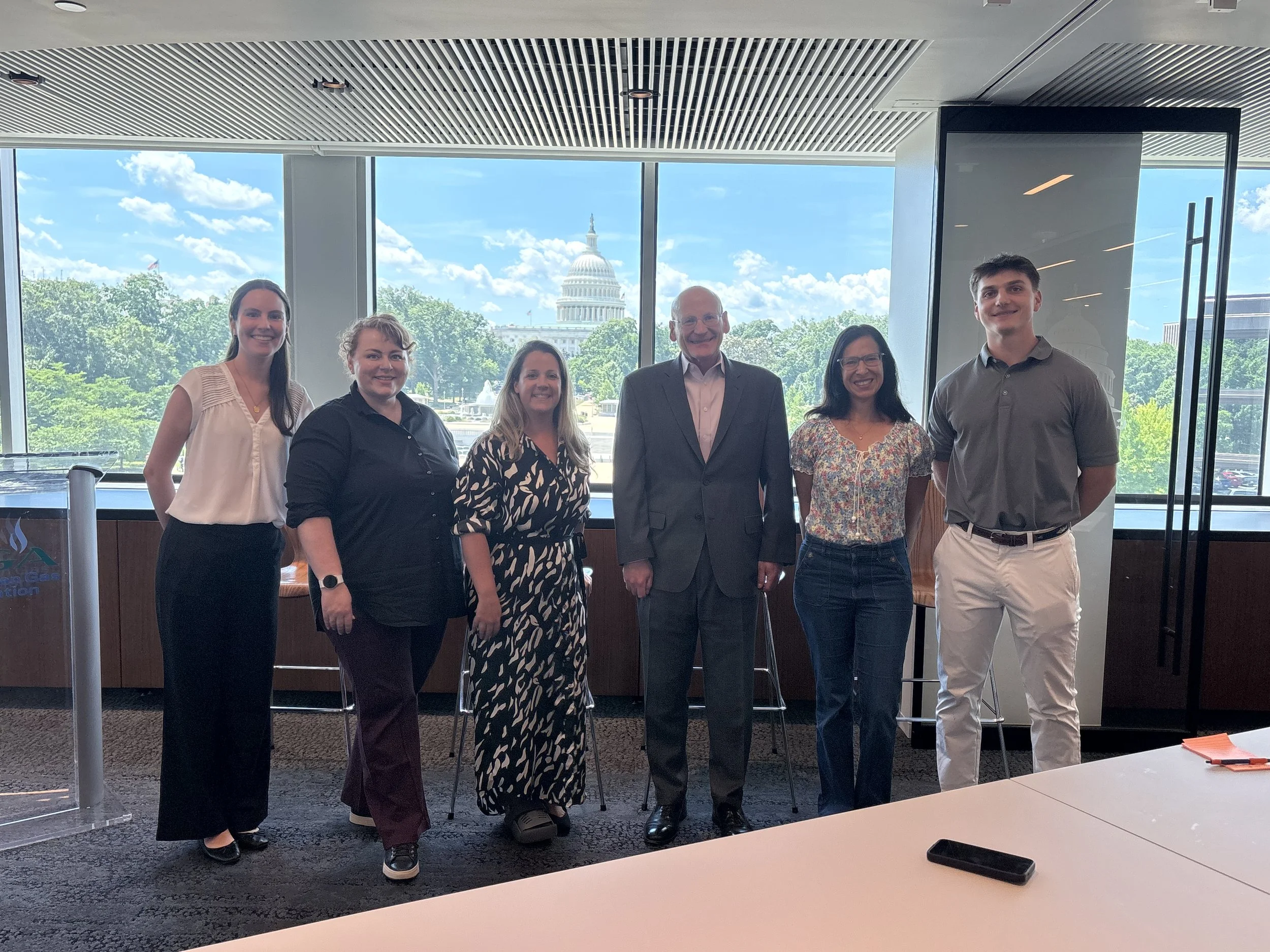
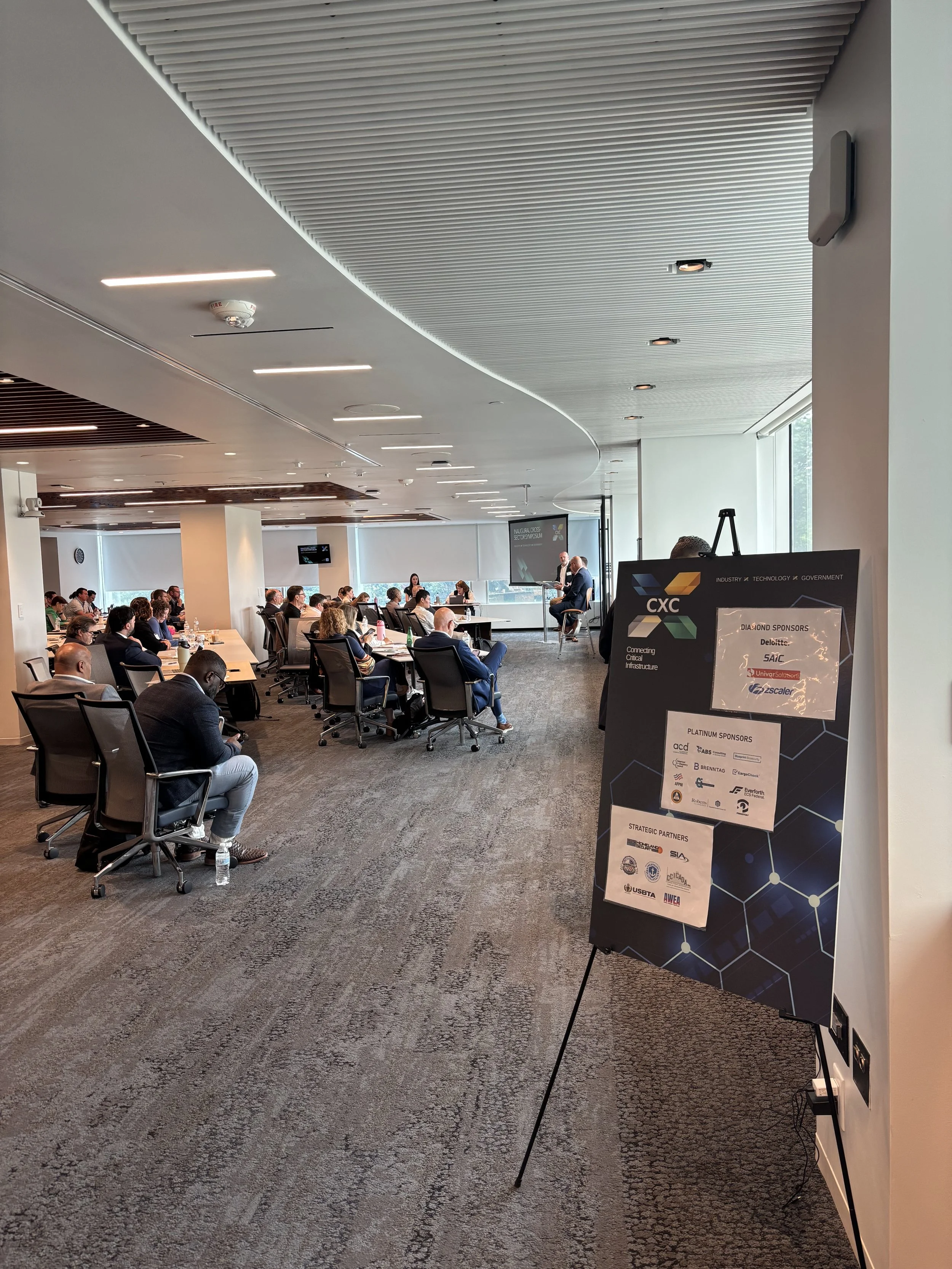
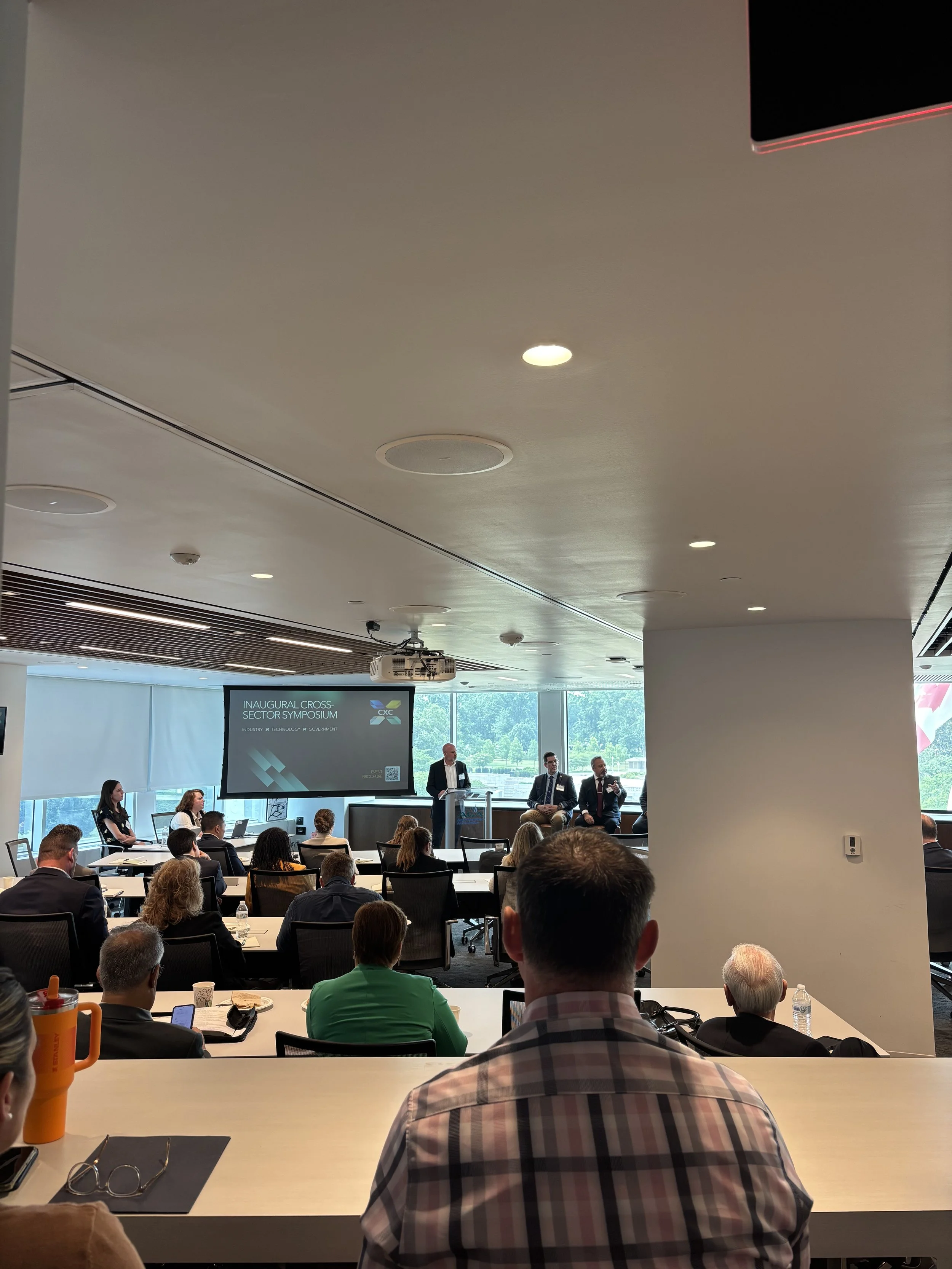
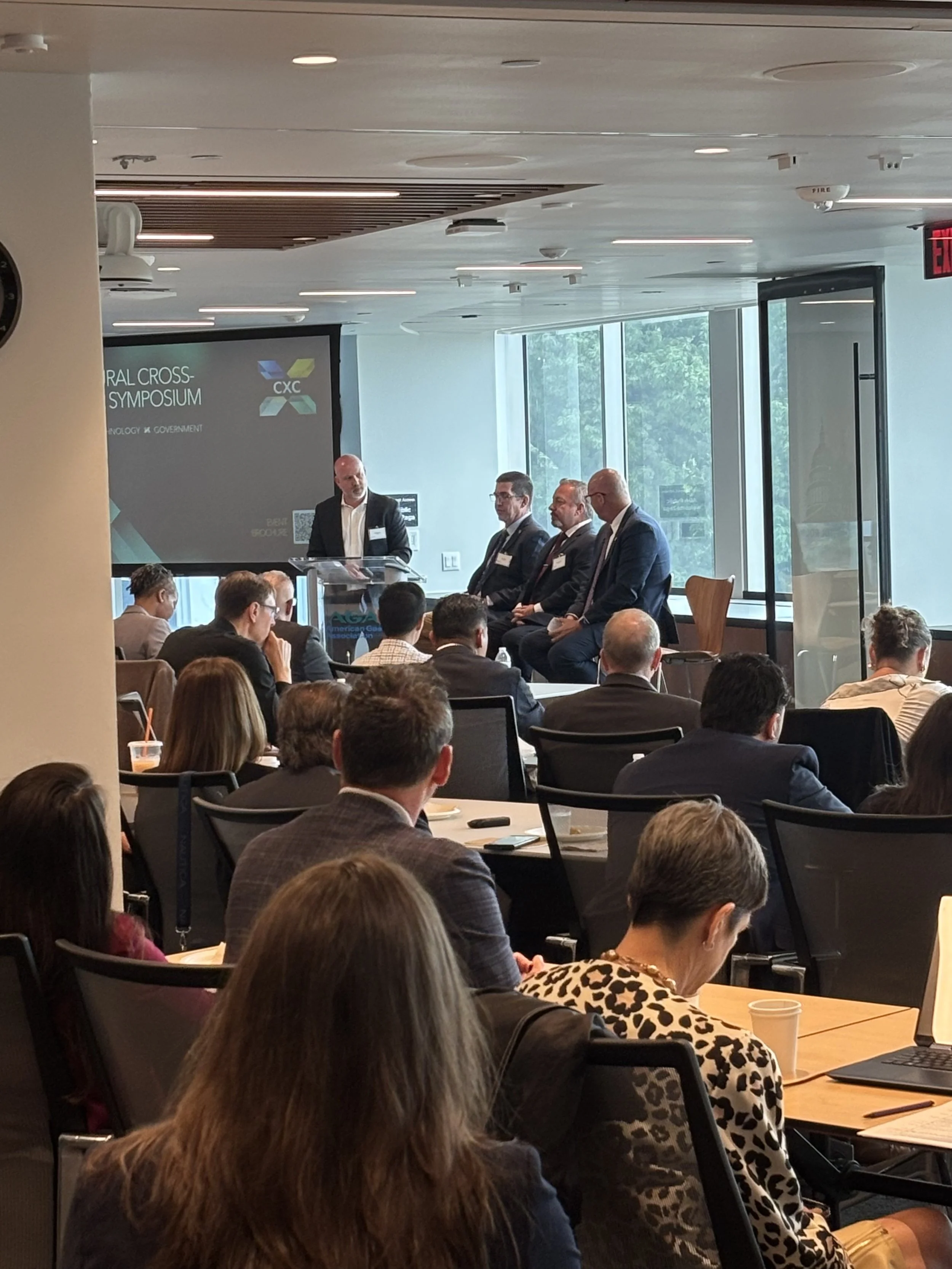
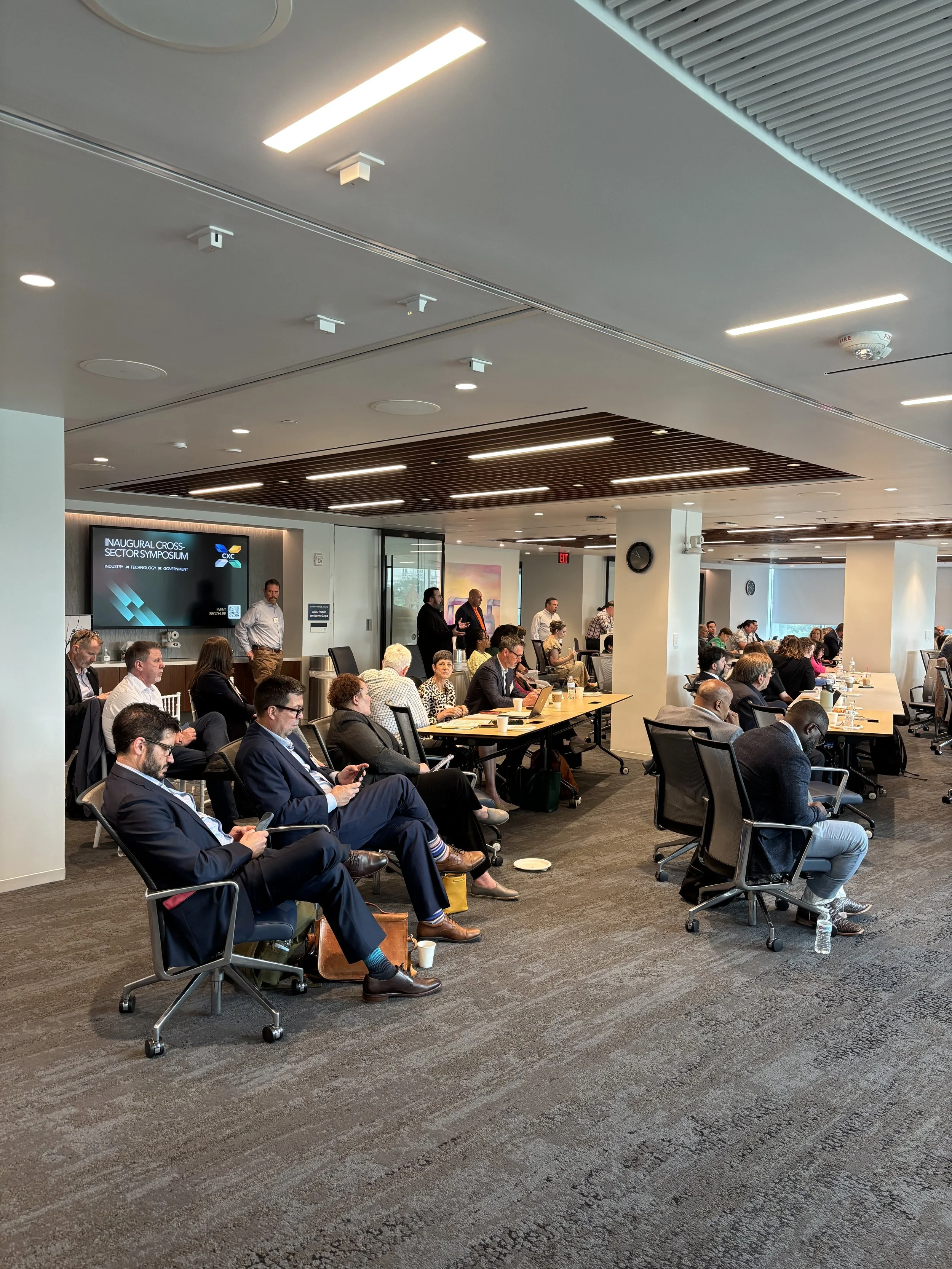
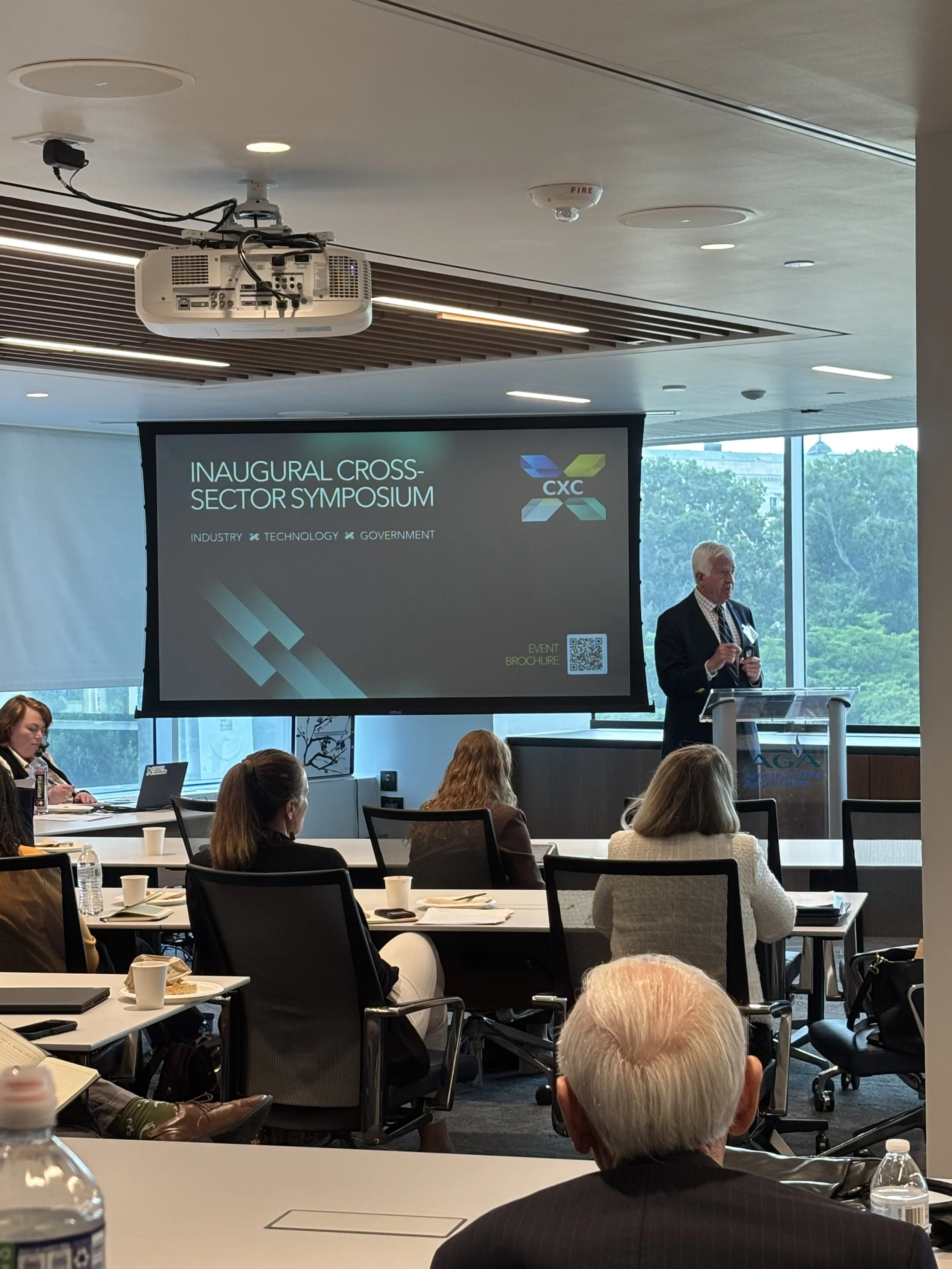
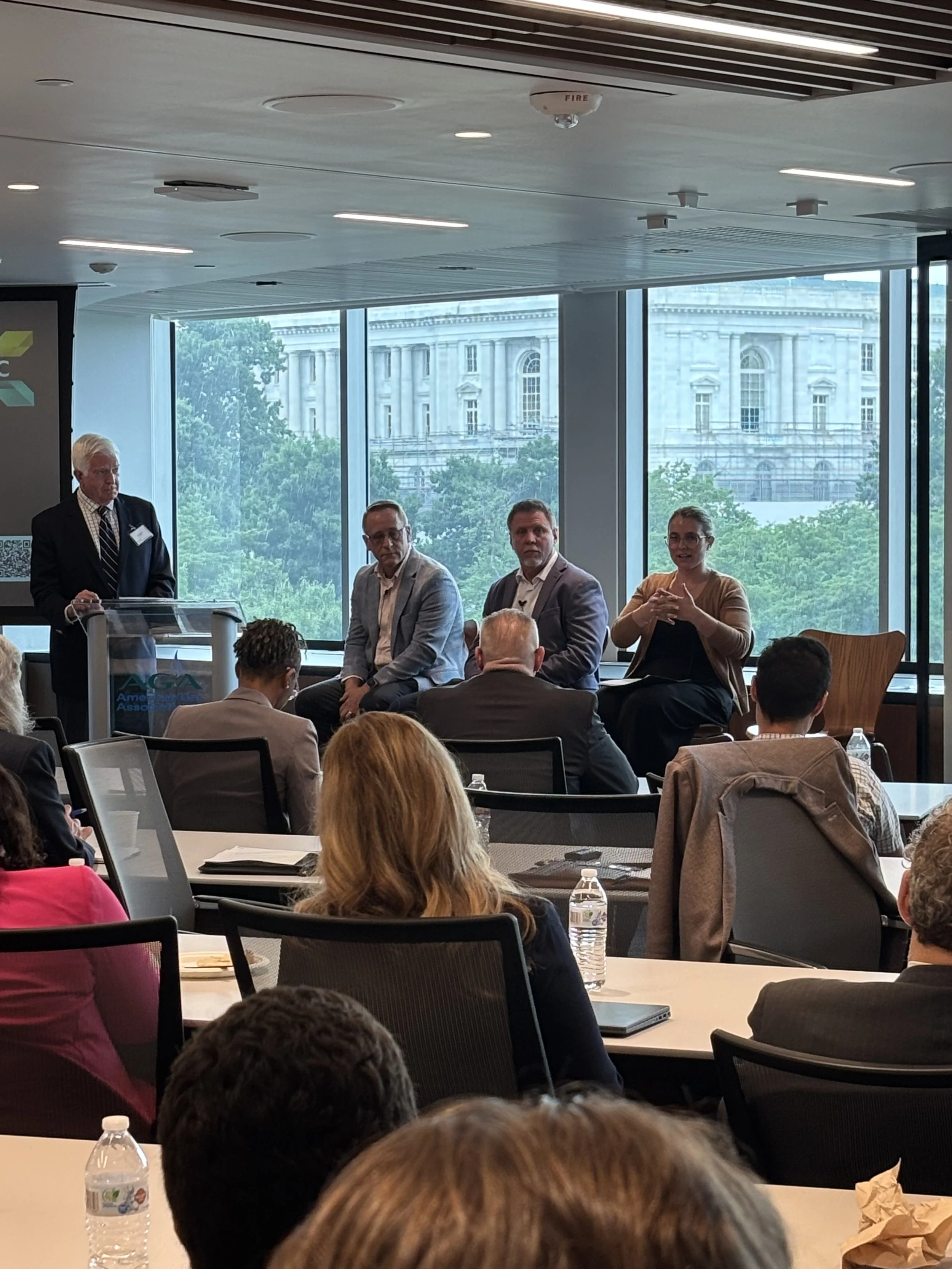
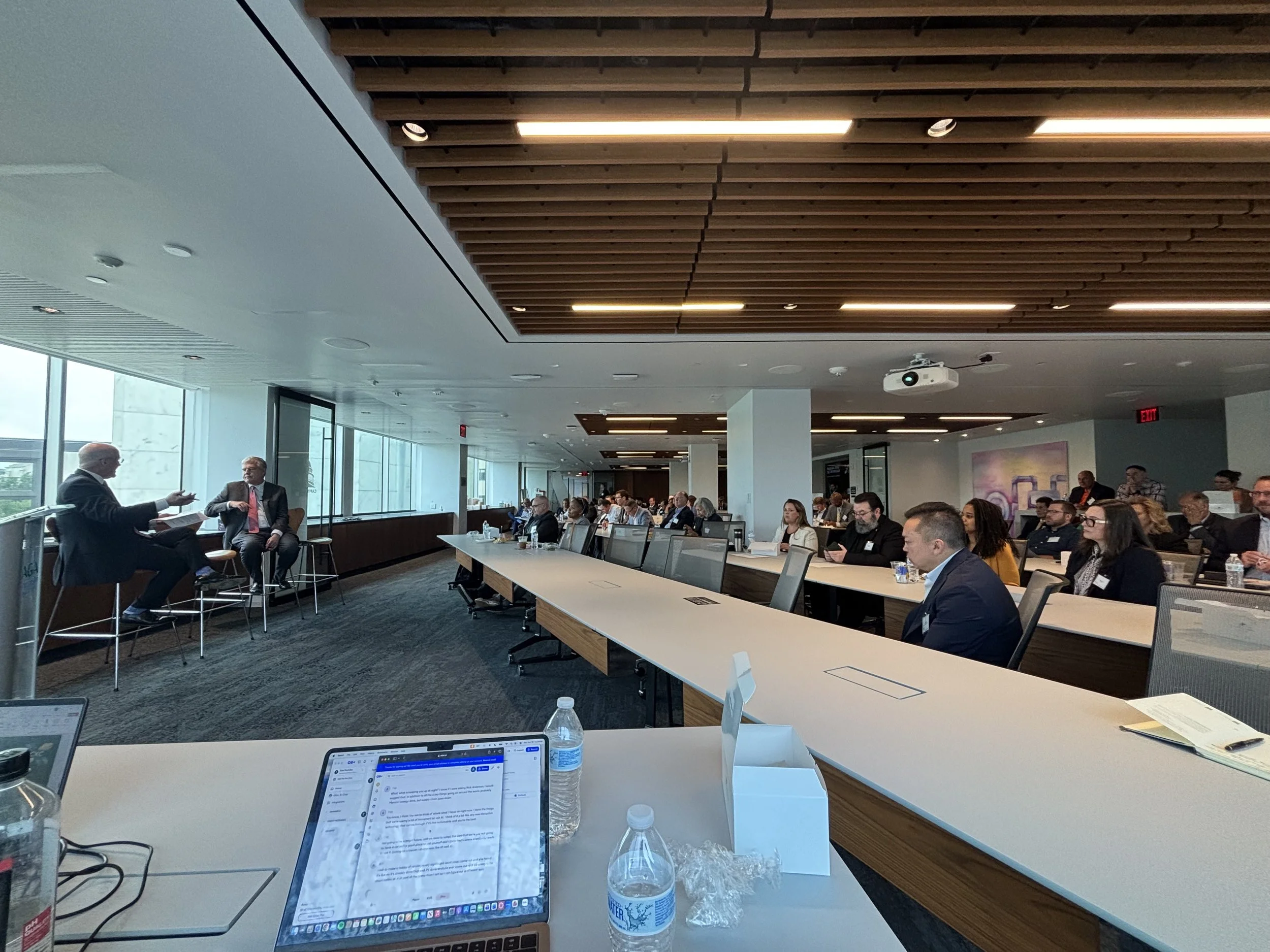
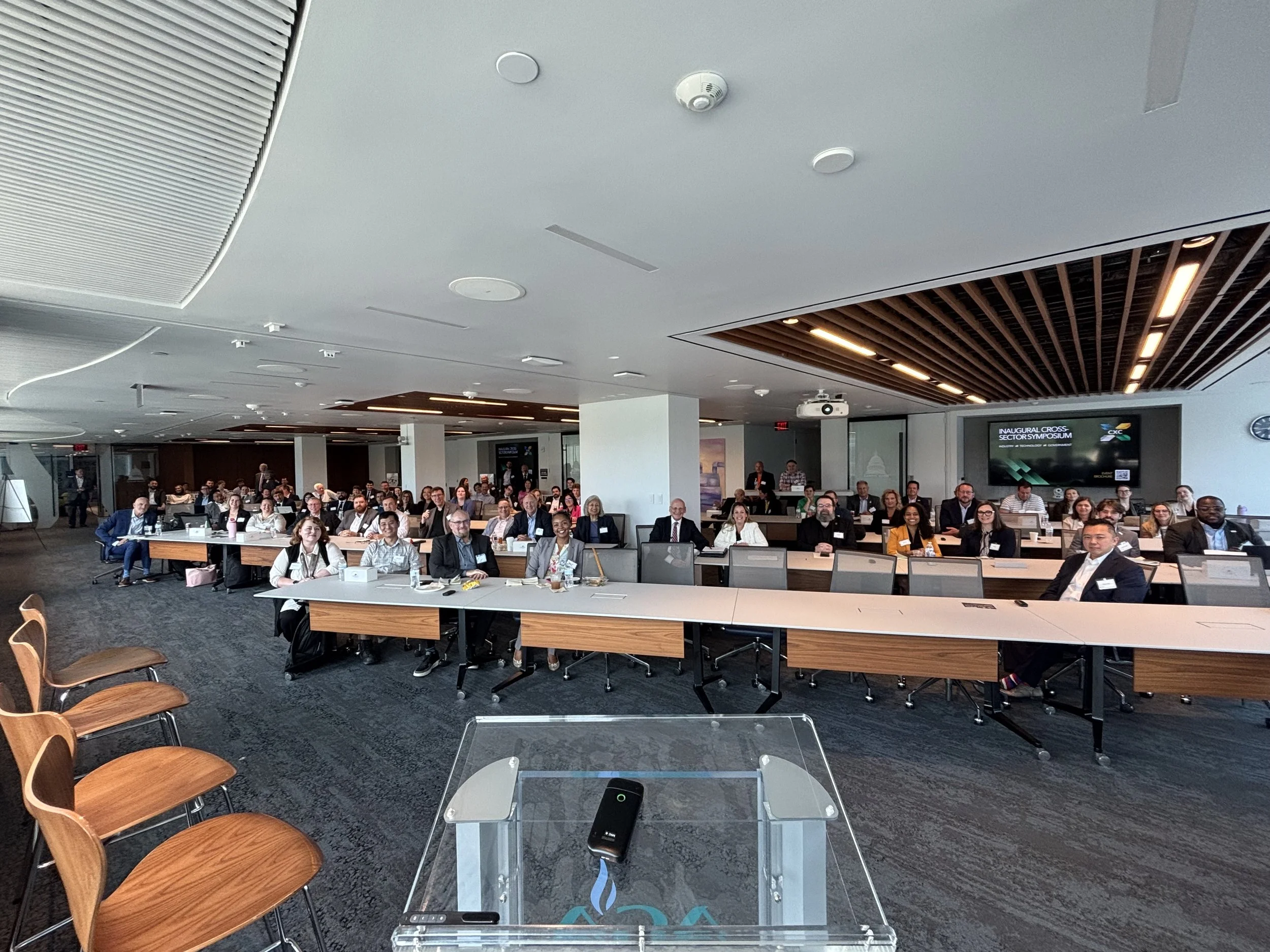
Why This MattersNo single sector can address today's security and resilience challenges alone. The CXC Symposium is designed to bring together critical infrastructure owners and operators, industry leaders, technology solution providers, and government partners to identify shared challenges and opportunities for collective action.
AGENDA
Arrival and Check-In
8:30 AM - 9:00 AM
Please check in at the Hall of States registration table. Enjoy your coffee and grab a seat for the day.
CXC Welcome
9:00AM - 9:30 AM
Hear from CXC leadership on the organization's launch, recent progress, and vision for advancing cross-sector collaboration and resilience.
Meet the Speakers
Cross-Sector Challenge:
Artificial Intelligence
9:30 AM - 10:15 AM
How are critical infrastructure organizations adopting AI while managing new security, operational, and regulatory risks? What security, policy, and operational challenges must be addressed as AI capabilities rapidly expand?
Meet the Speakers
Cross-Sector Challenge:
Supply Chain Security
10:15 AM - 11:00 AM
How can organizations strengthen visibility, trust, and resilience across increasingly interconnected supply chains? What physical and cyber vulnerabilities pose the greatest cross-sector risks?
Cross-Sector Challenge:
Emergency Response and Interdependencies
11:00 AM - 11:45 AM
How are critical infrastructure organizations preparing for cascading impacts across sectors during incidents? What coordination gaps exist between sectors, federal, and state/local efforts during identification, disruption, and response?
Meet the Speakers
Networking Lunch
11:45 AM - 12:15 PM
One of CXC's core objectives is fostering meaningful cross-sector relationships. Use this networking lunch to exchange ideas, share challenges, and connect with peers from across the critical infrastructure community.
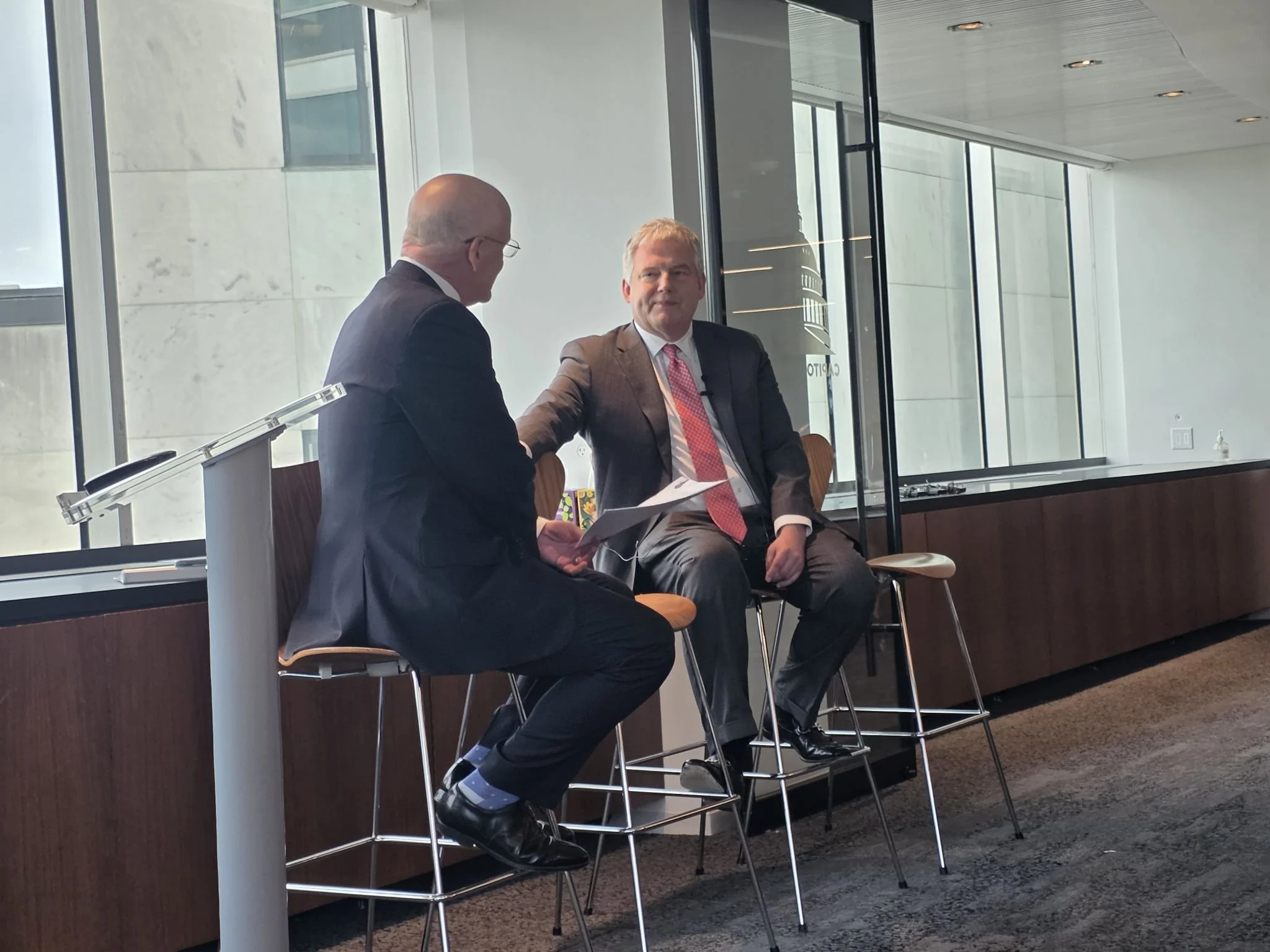
Lunch Keynote Fireside Chat
12:15 PM - 1:00 PM
Featuring the Cybersecurity and Infrastructure Security Agency
Cross-Sector Challenge:
Unmanned Aircraft Systems
1:00 PM - 1:45 PM
How are unmanned aircraft systems (UAS) and evolving authorities changing the threat landscape for critical infrastructure? What tools, policies, and partnerships are seeing success, where are the gaps, and how can the cross-sector community drive needed advances?
Meet the Speakers
Networking & Continued Dialogue
1:45 PM - 2:30 PM
This dedicated networking session provides an opportunity to connect with fellow attendees and continue discussions with speakers from the day's panels. As one of CXC's core objectives is to strengthen cross-sector relationships, participants are encouraged to exchange perspectives, ask follow-up questions, and explore opportunities for future collaboration.
Closed Session - CXC Board Members and Sponsors: Cross-Sector Priorities and CXC Path Forward
2:30 PM - 4:30 PM
This facilitated working session will identify priority cross-sector challenges and opportunities for collective action across the critical infrastructure community. Participants will help inform CXC's annual priorities, working groups, and policy initiatives.
Note: this session is open only to board members, sponsors, and strategic partners. All other participants are invited to head over to the Dubliner for the Friends of Critical Infrastructure Happy Hour
Friends of Critical Infrastructure
Happy Hour
Location: The Dubliner, 4 F St NW, Washington, DC 20001
Join us after the Symposium for informal networking and continued discussion with professionals from across the critical infrastructure security and resilience community. Open to all.
The Symposium was made possible with support from our sponsors
A special thank you to our sponsors for helping make the inaugural CXC Symposium possible and for their commitment to advancing cross-sector collaboration.
Founding Sponsors
Diamond Sponsors

Platinum Sponsors








Strategic Partners
HSToday is the Media Arm of CXC